- Breastfeeding
- Oct 23, 2026 | Updated on May 12, 2026

A leaking wearable breast pump can mean mess, lost milk and then the question of whether something is wrong with the pump or the way you’re using it.
Thankfully, leaks often come down to something quite small. The breast shield may not fit correctly, a part may not be sitting quite right, the seal against your breast may have shifted or the milk container may simply be getting too full.
Here, we'll work through some common wearable breast pump issues that can cause leaks, what to try first and how Bloome is designed to help reduce some of these problems.
A wearable breast pump can leak because of an incorrect breast shield size, loose or incorrectly assembled parts, worn silicone components, an overfilled milk container or a poor seal against the breast. Movement and the position of the pump can also affect the seal.
The trick is working out which one is causing the problem. If your pump has been working perfectly well until now, think about what might have changed: perhaps you’ve recently cleaned and reassembled it, a silicone part is starting to wear or the pump has shifted slightly in your bra.
If your breast pump is leaking around the flange, the breast shield may be too large or too small to form a secure seal against your breast. Fit also affects comfort and how effectively the pump can express milk.
NHS guidelines on expressing milk explain that the correct flange should be comfortable and allow the nipple to move freely in the tunnel.
It’s also worth remembering that nipple size can change during breastfeeding, and you may need a different size on each breast. A shield that fitted perfectly a few months ago may not be the right fit now.

If your breast pump starts leaking after you’ve cleaned it, the assembly is a good place to look. Even a small gap can interfere with the seal or suction.
Wearable pumps contain several components that need to sit correctly together. With Bloome, for example, the valve, breast shield, diaphragm, collection cup, cushion and heating pad all need to fit together securely with no gaps.
Worn or damaged silicone parts can affect the seal and suction of a breast pump, which may contribute to leaks or reduced performance.
Take a close look at the valve, diaphragm and silicone cushion. Tears are an obvious warning sign, but stretching, warping or a part that simply doesn’t sit as snugly as it used to can also cause problems.
A breast pump may leak if milk reaches or exceeds the safe capacity of the collection container. Once the container is full, continuing to pump can lead to spills. Output can vary from one pumping session to another, so the collection cup may sometimes fill more quickly than you expect.
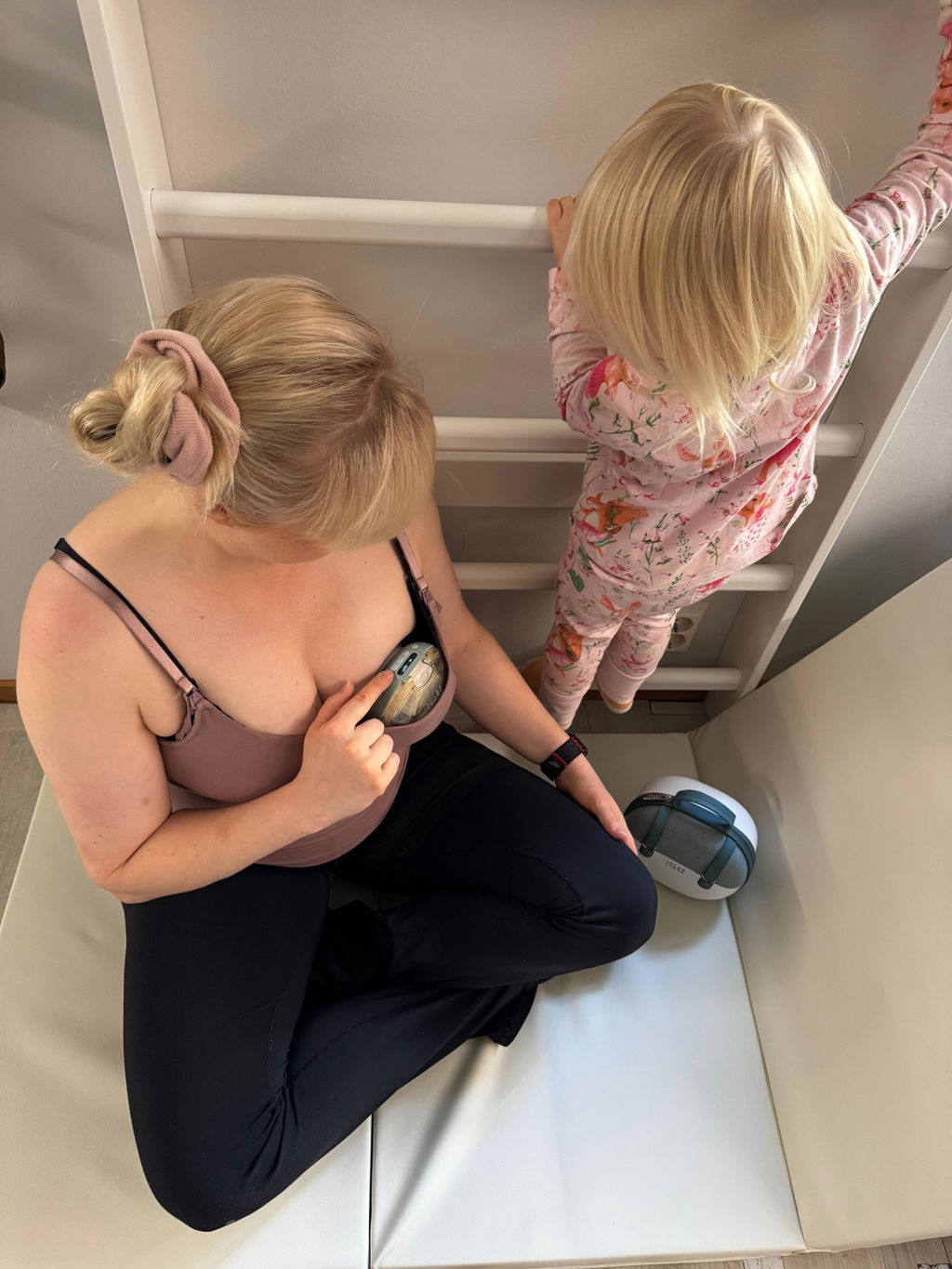
A wearable breast pump may leak if movement causes it to lose its seal against your breast. This can happen if the pump shifts inside your bra or isn’t sitting snugly against your body.
The position of the pump matters too. If it tilts too far forwards or backwards, milk may not flow into the collection cup as intended. Your bra can also affect how securely a wearable pump stays against your breast.

To stop milk leaking from your breast pump, check the breast shield fit, assembly and condition of the parts, then check the milk level and make sure the pump is upright and securely positioned.
If you’re looking at a leaky pump and wondering where to start, change one thing at a time. It’s much easier to find the culprit that way.
Measure your nipple rather than choosing a breast shield based on breast size. During pumping, your nipple should be centred and able to move freely without rubbing against the tunnel.
Pumping isn’t meant to be painful. If you notice pain, swelling or redness, or a lot of surrounding breast tissue is being pulled into the tunnel, it’s worth checking the fit rather than simply turning up the suction and hoping for the best.
Lola&Lykke’s Breast Shield Sizing Guide can help you measure your nipple and find the right size.
It’s easily done when you’re putting a pump back together in a hurry. If anything doesn’t look quite right, take it apart and reassemble it carefully, making sure the washable parts are clean and completely dry as you go.
Pay particular attention to the diaphragm and valve. The diaphragm should be pressed firmly into position and the valve fitted securely, as even a small gap can cause leaking or loss of suction.
Inspect your pump parts regularly, particularly if a pump that has been working well suddenly starts leaking or the suction feels different.
Silicone parts don’t last forever, even when you look after them carefully. Bloome’s washable components have an expected lifespan of around 2–4 months with regular use, depending on how frequently you pump, and should be replaced sooner if they become worn, damaged or stop sealing correctly.
Lola&Lykke’s Bloome Silicone Spare Part Set contains a replacement 25 mm silicone cushion, diaphragm and valve.

If your pump doesn’t have overflow protection, keep an eye on the milk level and empty the collection cup before it reaches its maximum capacity.
With Bloome, you don’t need to watch it quite so closely. The pump automatically pauses when its 180 ml collection cup is full, helping to prevent spills caused by overfilling.
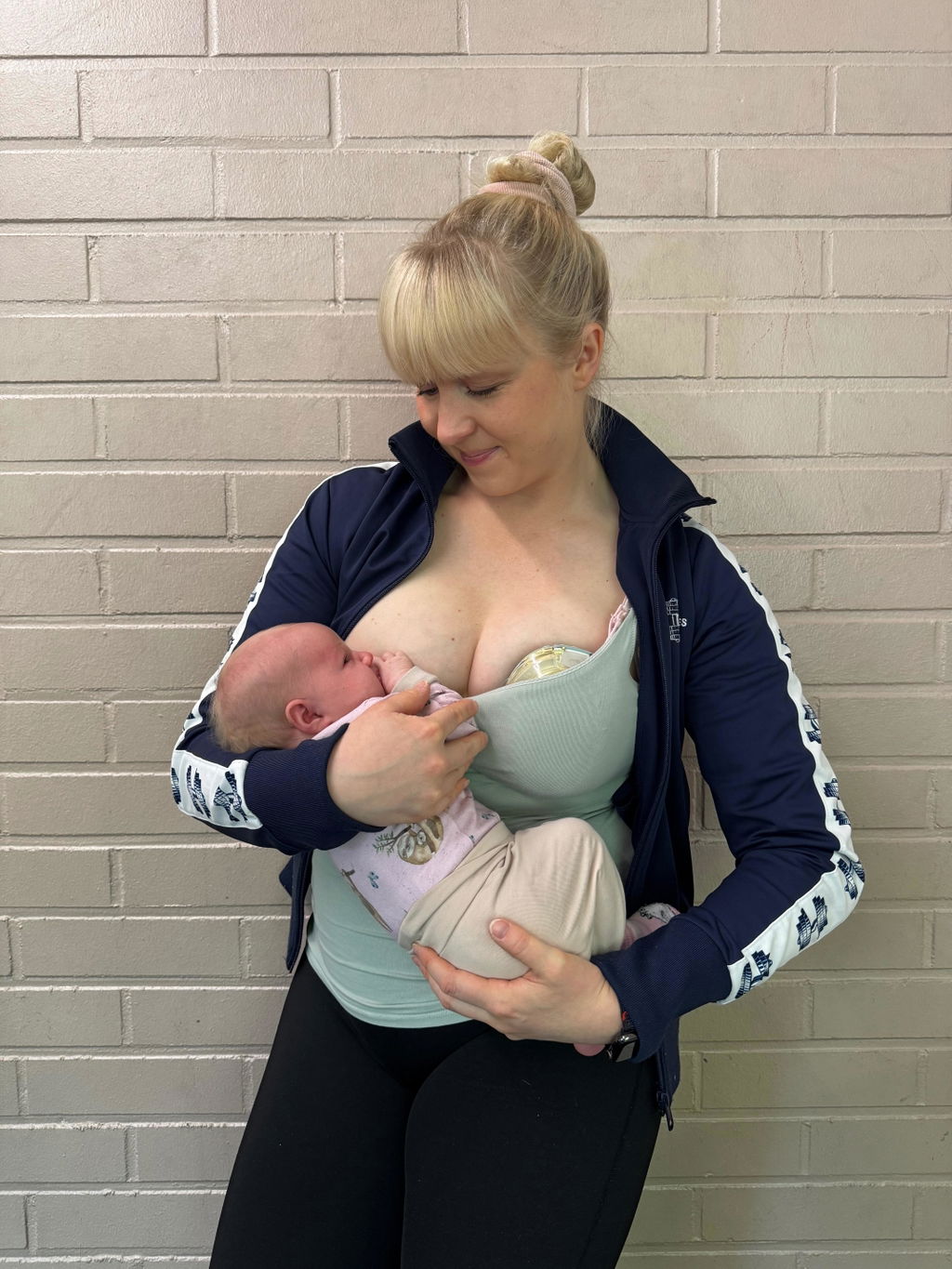
Your bra needs to hold the pump securely against your breast without squeezing it so tightly that it pushes the pump out of position.
You don’t necessarily need a special pumping bra, but if you’re buying a new maternity or nursing bra, it’s worth considering how your wearable pump will fit inside it. Look for enough stretch and support to hold the pump snugly in place without compressing it.
Bloome also includes a bra adjustment strap to give you a little extra room and help with positioning.
A wearable pump means you’re not tied to one spot. You can make a cup of tea, answer emails or potter around the house while you pump. But hands-free doesn’t mean completely position-free.
Bloome should remain upright during use, so avoid leaning too far forwards or backwards, lying down or doing strenuous activity while pumping. It shouldn’t be used while sleeping, driving or operating machinery.

The Bloome Wearable Breast Pump addresses several of the causes we’ve covered above, including overfilling, breast shield fit and movement. It can’t prevent every type of leak, but it includes practical features designed to reduce some of the reasons leaks happen in the first place.
| Common cause of leaking | How Bloome addresses it |
|---|---|
| Milk container becomes too full | The 180 ml collection cup has smart overflow protection that automatically pauses pumping when full. |
| Breast shield doesn't fit correctly | Bloome includes a 25 mm cushion plus 15 mm, 17 mm, 19 mm and 21 mm inserts, as well as a nipple measurement card. |
| Pump moves away from the breast | Its hands-free, in-bra design has no external tubes or wires, and a bra adjustment strap is included to help with positioning. |
| Worn silicone components affect the seal | The cushion, diaphragm and valve can be checked and replaced separately when needed. |
If your wearable pump is still leaking after you’ve checked the fit, assembly, milk level and position, inspect each part closely for wear or damage.
If it was fine last week and suddenly isn’t, something has probably changed. Recheck the assembly and valve, look closely at the silicone parts and consider whether your breast shield fit has changed.
If your breast pump is leaking from the bottom, check the collection cup and the parts around it first. Make sure the cup is fitted correctly and check the silicone components for signs of damage or anything that could be stopping them from sealing properly.
If leaking comes with reduced suction, worn or damaged silicone parts may be responsible. Replace anything that is damaged or no longer sealing correctly.
Still no luck? If the pump itself doesn’t appear to be working correctly after you’ve gone through these checks, contact Lola&Lykke customer support for help.
And if pumping is painful, your milk expression has noticeably reduced or you’re worried about milk supply or your breast health, speak to a midwife, lactation consultant or other healthcare professional.

Your breast pump flange may be the wrong size if pumping is painful, your nipple rubs against the sides of the tunnel, too much areola is being pulled in, or you notice redness or swelling. A poor fit can also affect the seal and milk output.
If you notice any of these signs, remeasure your nipple and use the Breast Shield Sizing Guide to check your size. And don’t assume that because a particular size worked before, it always will.
A leak can sometimes reduce the amount of milk collected if it is caused by a poor seal or loss of suction. That can affect milk expression or collection without necessarily meaning that your milk supply itself has changed.
Check the breast shield fit, pump assembly and silicone components first. If your output remains noticeably lower or you’re worried about your milk supply, speak to a lactation consultant or healthcare professional.
An occasional spill can happen, but repeated leaking shouldn’t simply be accepted as part of using a wearable breast pump.
If you find yourself reaching for a muslin every time you pump, something needs checking. Start with the breast shield size, assembly, silicone parts, milk level and pump position.
Bloome’s washable components have an expected lifespan of around 2–4 months with regular use, depending on how frequently you pump. Replace them sooner if they’re worn, damaged or no longer sealing correctly.
Bloome’s smart overflow protection automatically pauses pumping when its 180 ml collection cup is full, helping to prevent spills caused by overfilling.
It can’t prevent every type of leak. Incorrect breast shield fit, worn or poorly assembled parts or the pump moving out of position can still allow milk to escape.
A leaking breast pump can be annoying, but the cause may be something surprisingly small: the fit, a slightly misplaced component, a worn silicone part, the pump shifting in your bra or a collection cup that’s simply too full.
So before you write off your pump, work through those basics one by one. Once you find what’s causing the leak, you’ll know what needs adjusting – and what to look for if it happens again.
Bloome includes multiple breast shield sizes, replaceable silicone parts and smart overflow protection to address several common causes of leaking. Find out more about the Bloome Wearable Breast Pump, or revisit our Breast Shield Sizing Guide if you’re unsure about your fit.

by Lola&Lykke Team
Please Note
The information shared in this article is intended for general educational purposes only and should not replace medical advice, diagnosis, or treatment from a qualified healthcare professional. Every pregnancy, recovery, and feeding journey is different. If you have concerns about your health, your baby’s health, or any symptoms mentioned in our blogs, please speak with your doctor, midwife, or healthcare provider before making changes to your care routine.