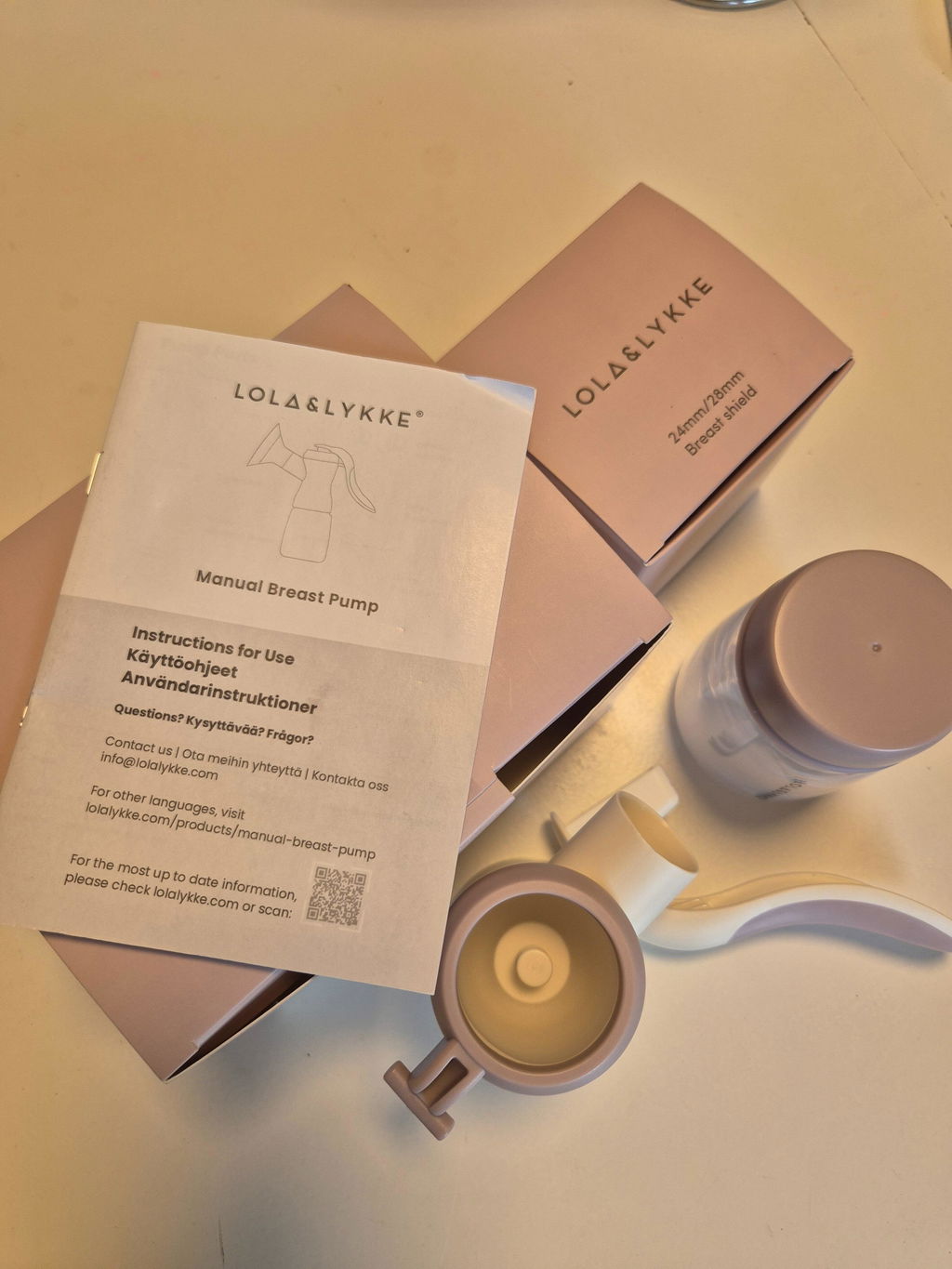
Manual Breast Pump
A simple way to start —
without committing to more
New Arrival
New Arrival
New Arrival
New Arrival
New Arrival
New Arrival
New Arrival
New Arrival
New Arrival
New Arrival


Manual Breast Pump
A simple way to start —
without committing to more

Start Here, Decide Later
You don’t always know if you’ll need a breast pump before your baby arrives. This gives you a simple way to find out.
The Lola&Lykke Manual Breast Pump is a low-commitment starting point. Two suction levels, multiple shield sizes, and no setup mean you can try pumping at home and see what actually works for you.
If you need more later, you already know how Lola&Lykke feels to use.

Built for the First Weeks
Early days are unpredictable. Feeding, resting, figuring things out as you go.
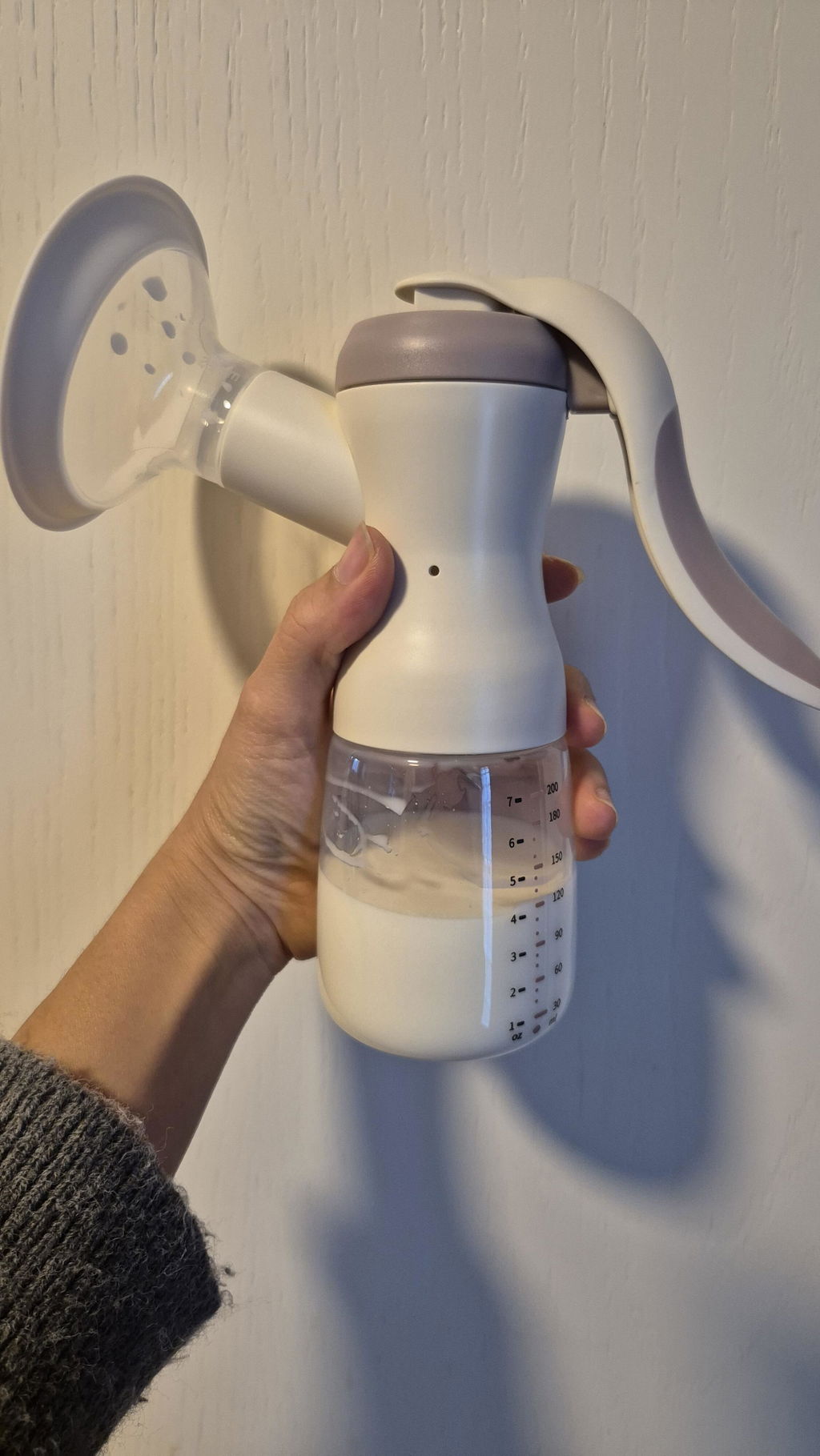
This pump fits into that. No charging, no noise, no waiting. Just a straightforward way to express milk when you need to, at your own pace, using a handle-controlled mechanism and direct pumping into a 200 ml bottle.
Simple enough to keep using. Or to move on from when you’re ready.


A manual breast pump is a hand-operated pump that uses a simple squeeze handle to create suction and express milk. It gives you full control over rhythm and pressure, which some parents find more comfortable, especially in the early days.
Our Manual Breast Pump pumps directly into a 200 ml bottle, so there’s no extra transfer step once you’re done.
Most sessions last around 15–20 minutes per breast, but it depends on your flow and comfort. Some parents prefer shorter, more frequent sessions.
If milk is still flowing and you’re comfortable, you can continue. If not, it’s fine to stop earlier. Pumping doesn’t need to be exact to be effective.
Milk supply works on demand. The more regularly milk is removed, the more your body is signalled to produce.
With a manual pump, using a steady rhythm, switching sides, and pumping consistently can help. Staying hydrated and resting when you can also makes a difference. If supply is a concern, it’s worth speaking to a lactation consultant.
For most parents, it’s recommended to start pumping around 4–6 weeks postpartum, once your milk supply and feeding routine feel more settled.
If you’re preparing to return to work or want to build a freezer stash, you can start a bit earlier, around 3–4 weeks, with one session a day. Morning is often easiest, as supply tends to be higher then.
A manual breast pump is a simple way to ease into pumping at this stage. It’s hand-controlled, quiet, and pumps directly into a 200 ml bottle, so there’s less setup to think about.
Before first use and regularly after, all parts that come into contact with milk should be sterilised. This can be done by boiling, using a steam steriliser, or a microwave sterilising system.
After each use, wash parts in warm soapy water, rinse well, and let them air dry. Always follow standard hygiene guidance for feeding equipment.
Freshly expressed milk can be stored:
- In the fridge for up to 8 days at 4°C or lower (NHS guidance)
- In the freezer for up to 6 months
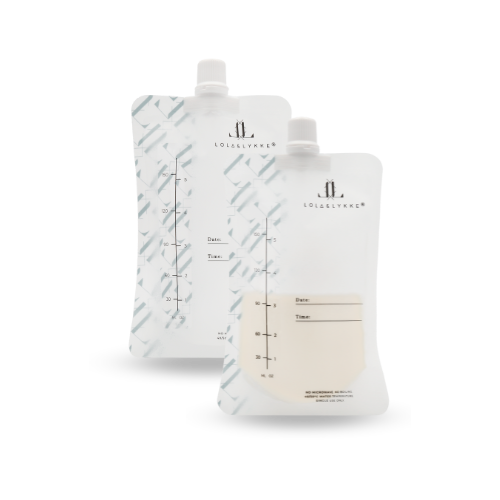
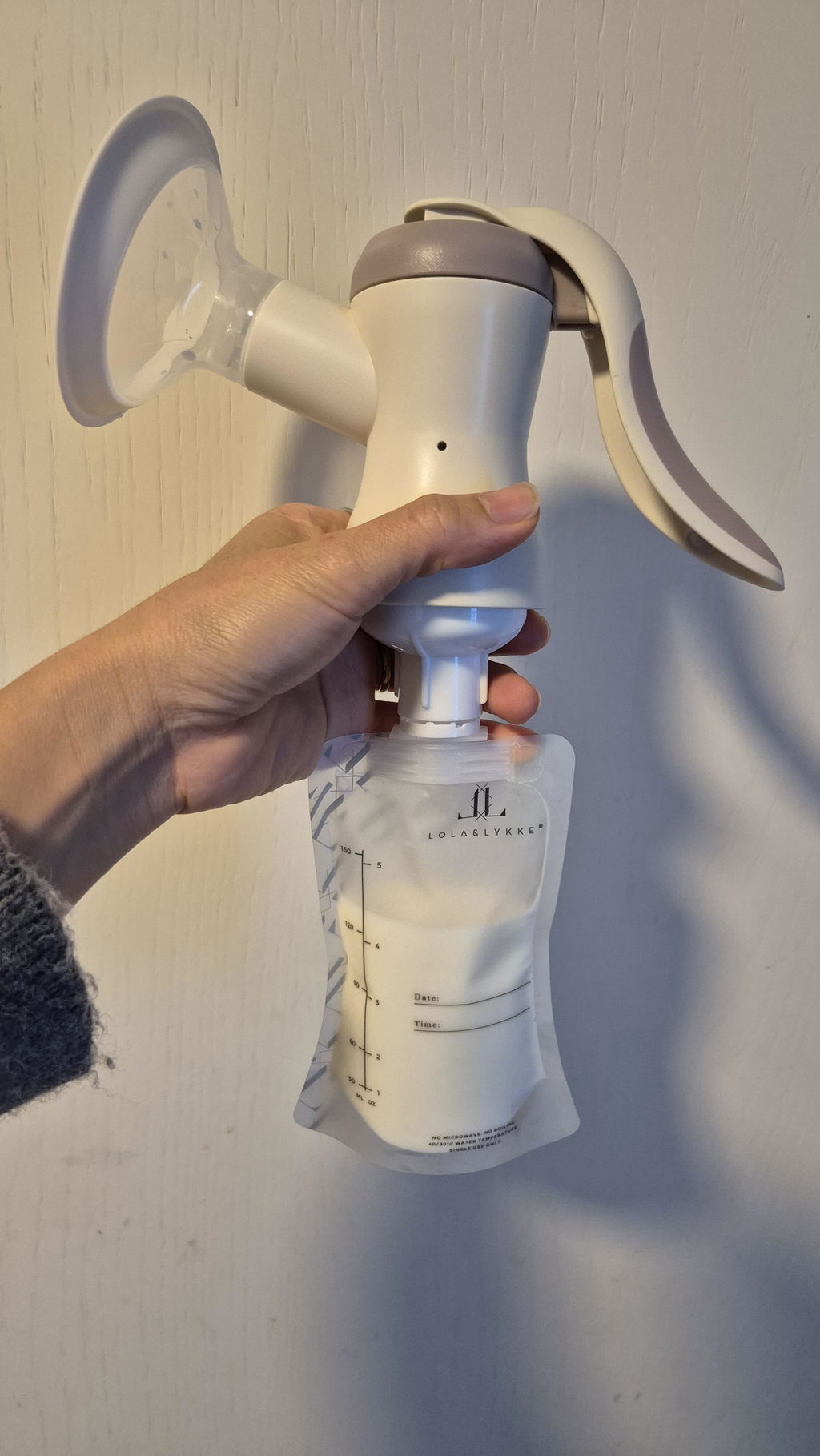
You can pump directly into a bottle or transfer into storage bags. Our manual pump is compatible with milk storage bags via adapter, so you can go straight from pumping to storage.
Yes, breast milk can be frozen. Store it in clean containers or storage bags, leaving space for expansion.
To defrost, place it in the fridge overnight or gently warm it in a bowl of warm water. Avoid microwaving, as it can create hot spots and damage nutrients.
Once thawed, use the milk within 24 hours if kept in the fridge, and do not refreeze it. Breast milk should only be frozen once.
Flange size should match your nipple, not your breast. A correct fit helps avoid discomfort and supports effective milk flow.
If the flange is too tight or too loose, pumping can feel uncomfortable or less efficient. Our manual pump includes two shield sizes (24 mm and 28 mm) with inserts (18 mm and 20 mm), so you can adjust the fit without needing to buy extras.
A manual breast pump is hand-operated, quiet, and doesn’t require charging or setup. It’s often used for occasional pumping, travel, or as a backup.
An electric breast pump does the work for you. Our Smart Electric Breast Pump has nine suction levels, no tubes, and just five parts to clean. It’s built for regular use when you need consistency and less hands-on effort.
For some parents, yes. Especially if you’re pumping occasionally or alongside direct breastfeeding.
Others use a manual pump as a backup or starting point before moving to an electric option. It depends on how often you plan to pump and what feels manageable day to day.
Surprised with how simple this pump is. I bought this as the backup plan for wearable pump but it amazes me with how efficiently it works 💪
Highly recommend if you're looking for a good and simple pump to start with
I got this one as gift from a friend. It's so simple but work like a charm. Love it