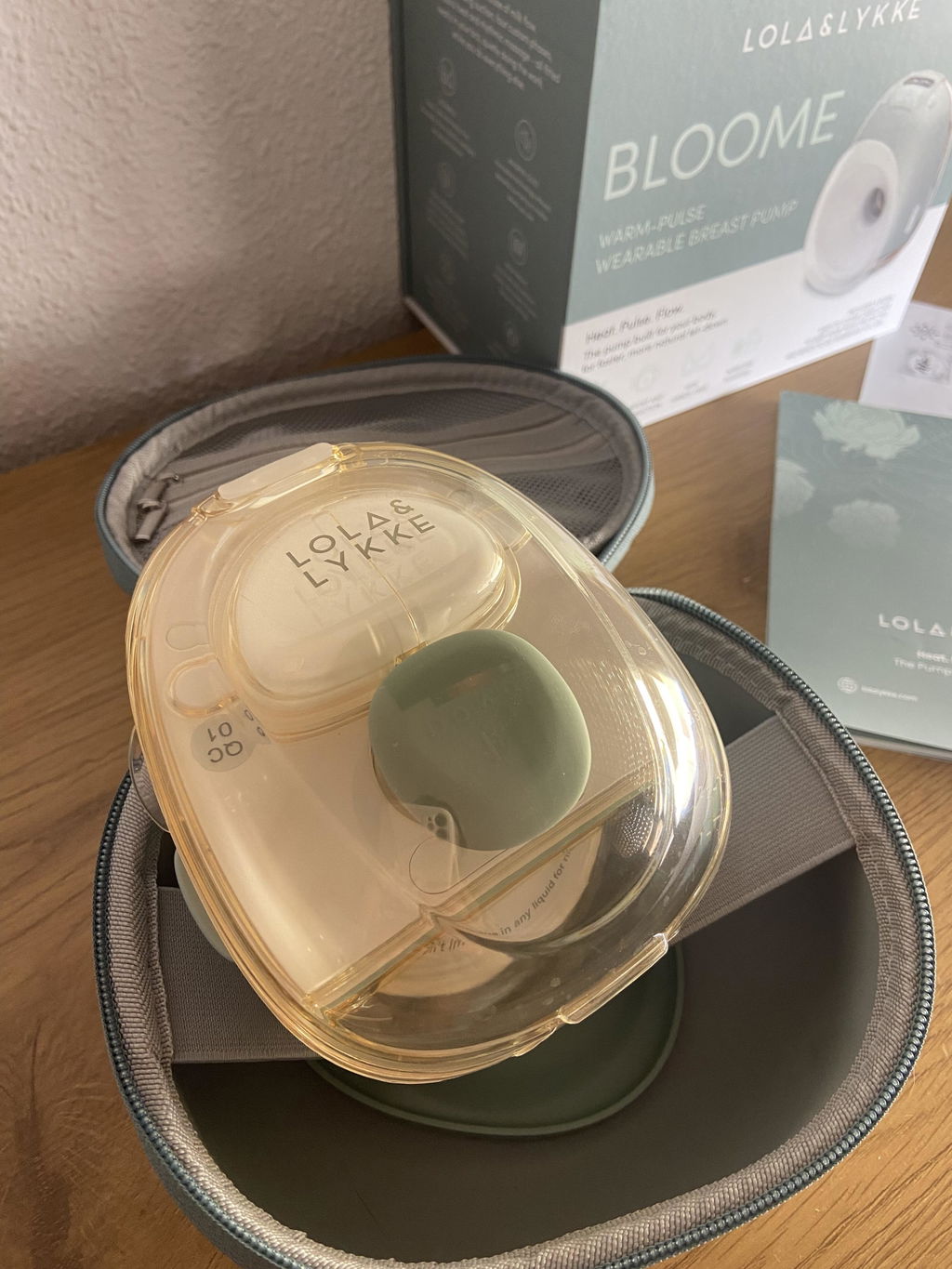
It’s 2026, and mums want breastfeeding tools that match the era we’re living in. Of course, we want important things like flexible working and equal pay, but we also want a blooming marvellous wearable breast pump to make breastfeeding a whole lot simpler, comfier, and discreet. It’s the little things too, you know?
The evolution of the breast pump has gone from manual pumping to simply switching it on inside your bra hands-free, dreamy! Step into breastfeeding with this guide in hand so you can confidently nurse your baby with the right wearable breast pump.
What Is a Wearable Breast Pump?
A wearable breast pump is different to a wireless breast pump. The entire device, including the flange, motor, and cup, is neatly worn inside your bra, and your milk is expressed into the cup. Compared to other wireless breast pumps, a wearable breast pump is truly hands-free. You can wear the pump and carry on with other daily activities until your pumping session has finished.
Obviously, the design and practicality of a wearable breast pump pique the interest of nursing mums because it’s ideal for multitasking and makes milk expression possible even in the most discreet environments, especially during postpartum recovery.
Must-Have Features to Look for in a Wearable Breast Pump
1. True Hands-Free Design
Wearable breast pumps do not have you sitting by a wall hooked up to the plug socket. The entire device is compact enough to fit inside your bra with no wires or external motors to plug in. Wearable breast pumps therefore, don’t need your hands holding the breast pump in place because your bra already supports it!
2. Quiet Motor for Discreet Pumping
Discreet pumping means you can express breast milk without the breast pump being seen or heard, if you don’t want to. A quiet motor is a popular feature for any breast pump, particularly a wearable breast pump, because the whole design is built around efficiently pumping discreetly. You can wear your breast pump literally anywhere. In the car, on the school run, and even at the office.
3. Hospital-Grade Suction Strength
Just because it’s a wearable breast pump doesn’t mean you have to compromise on your breast pump’s efficiency. Like a traditional hospital-grade breast pump, the suction strength needs to be strong enough to fully empty each breast helping you to meet the milk orders your baby puts in! The more milk you remove from the breast, the more milk it will produce.
Particularly if you’re buying a wireless breast pump to help increase your milk production, choose a wearable breast pump with a strong suction similar to hospital-grade breast pumps.
4. Leak-Proof & Comfortable Fit
Milk leaks are so uncool, and losing breast milk to a soggy t-shirt is even less cool. You won’t be stuffing tissues or muslin cloths in your bra to catch any milk leaks when you’re using the right wearable breast pump. These pumps have a secure fit breast flange that seals shut around the areola, meaning your breast milk has only one way to go - into the cup!
Look for models that offer multiple breast shield sizes to give you a custom fit and reassurance so you can pump with confidence.
5. Customizable Suction Modes
Having up to four customisable expression modes means you can find a comfortable suction strength and rhythm to get the best milk output. Start with the stimulation mode to mimic your baby’s sucking pattern and bring on your letdown. Then, you can transition into one of the other three expression modes to make your wearable breast pump work for you. Each expression mode will feel like a seamless transition to effectively empty the breast gently.
6. Easy Assembly & Cleaning
I think we can all agree on one thing: bottle cleaning never gets more thrilling… but we can make it easier for ourselves by choosing a wearable breast pump that has fewer parts to clean and assemble. When looking around for the wearable breast pump, look at how it comes apart and clicks back together. You don’t want to be figuring that out with a hungry baby!
Ask yourself, can you clean it in the dishwasher? Does it have hard-to-reach bits that make cleaning a faff? Could you assemble it easily with your baby in tow? (Because let’s be honest, they will probably be in your arms waiting for the milk as you’re throwing it all back together!)
7. Rechargeable with Long Battery Life
Rechargeable devices with a long battery life are a must-have for any wearable breast pump. Especially when you’re pumping on the go, the most recommended breast pump would be one with a long battery life that won’t cut out mid-pump. To pump efficiently, the battery life needs to be top-notch. A rechargeable device also makes it more cost-effective and environmentally friendly by ditching disposable batteries.
8. Multiple Flange Sizes
A wearable breast pump is only as good as its fit, and flange size is where most of the fit issues come from. Your flange (the part that sits directly against your breast) needs to match your nipple diameter closely enough to create a comfortable seal, not too tight, not too loose.
The trouble is, your size can change throughout your breastfeeding journey, so a pump that only comes with one flange size is setting you up for discomfort somewhere down the line. Look for a wearable breast pump that offers a range of flange sizes, ideally with the option to buy replacements separately as your needs shift.
Not sure what size you need? Read our guide on [signs your breast flange size is wrong] to check you're using the right fit and to understand how it affects both comfort and milk output.
9. Digital Display
A small screen might seem like a nice-to-have, but it actually does a lot of the thinking for you. A digital display typically shows things like your session timer, current suction mode, milk volume collected, and battery life, all at a glance, without needing to peek down your top mid-meeting to check.
For mums juggling pumping around work, school runs, or a napping baby, this kind of visibility means you're not caught off guard by a flat battery or an overflowing cup. It's a small feature that makes a big difference to how much you can trust your pump to just get on with the job.
10. Availability of Replacement Parts
Breast pump parts wear out. Valves lose their seal, membranes stretch, and flanges can crack with regular sterilising, and none of that is a fault, it's just normal wear and tear from daily use. What matters is whether you can actually buy replacement parts when you need them.
Before choosing a wearable breast pump, check whether the brand sells spare valves, membranes, and flanges separately, and how easy they are to get hold of. A pump with no replacement parts available means starting from scratch (and spending more) the moment one small piece wears out.
11. Sustainable Materials
More mums are thinking about the environmental footprint of their baby gear, and breast pumps are no exception. Look for wearable breast pumps made from BPA-free, food-grade materials that are built to last, rather than parts designed to be replaced wholesale every few months.
Rechargeable batteries (rather than disposable ones) and brands that offer spare parts instead of encouraging a full repurchase both point to a more sustainable approach. It's a feature that benefits your baby, your wallet, and the planet all at once.
Take a screenshot of our checklist of features to look out for, to find the perfect wearable breast pump for you:
| Feature |
Yes please! |
| Quiet motor |
✔ |
| Hands-free |
✔ |
| Easy to clean |
✔ |
| Hospital-grade suction strength |
✔ |
| Compact and lightweight design |
✔ |
| Quick to assemble |
✔ |
| Rechargeable battery |
✔ |
| Customisable expression modes |
✔ |
| Digital LED display |
✔ |
| Spare/replacement parts available to buy separately |
✔ |
| Leak-proof with a tight seal |
✔ |
| Multiple breast flange sizes to choose from |
✔ |
| Mess-free way to decant breastmilk from the wearable breast pump |
✔ |
| Made using sustainable materials |
✔ |
Mistakes to Avoid When Choosing a Wearable Breast Pump
Don’t be the mum that…
-
Chooses style over suction strength
-
Ignores fit and flange sizes
-
Underestimates the cleaning complexity of the wearable breast pump parts
Sure, wearable breast pumps can look pretty, but they also need to work efficiently. If it doesn’t meet your expectations and causes unnecessary stress, you’re not going to use it. You’re going to wish you had bought the hands-free breast pump that actually expresses milk rather than dithers.
It’s also really important to note that using the wrong breast flange size can cause further complications and lessen breast milk production. If the breast flange size is wrong, you won’t be able to efficiently remove the milk, and this can affect your milk supply. Use our size guide to measure what breast flange size you need, if you need support with this.
Read more: Signs Your Breast Flange Size is Wrong - And How to Fix It
Looking for specific product recommendations? Read our guide to the best wearable breast pumps of 2026 to compare leading models, their features, and who they are best suited for.
Your Frequently Asked Questions Answered
1. How quiet is a wearable breast pump?
If you compare your breast pump to "library quiet" volume, which is around 50 dB, anything at or below this would be a super quiet breast pump. Using a wearable breast pump with a noise output of ≤50 dB means you can pump, and the person next to you wouldn't know you were pumping, until you produce a bottle of milk!
2. What suction range counts as hospital-grade in a wearable breast pump?
Hospital-grade pumps reach between 300-350 mmHg of suction power. Wearable breast pump models vary between 270-300 mmHg, so it’s worth checking to see if the wearable you’re eyeing up reaches hospital-grade strength. If you’re planning to use your wearable breast pump daily or exclusively pump, choose a wearable breast pump with the highest suction strength.
3. What’s the difference between a wireless and a wearable breast pump?
A wireless pump has no mains cable, but the motor still sits outside your bra. A wearable breast pump tucks the motor, flange and milk cup inside the bra, so you can walk, work or drive totally hands-free. In short: every wearable is wireless, but not every wireless pump is truly wearable.
4. Are wearable breast pumps strong enough for exclusive pumping?
Yes, you can exclusively pump with a wearable breast pump, and for most parents, the suction strength is enough to achieve this. If you struggle with low milk supply, your lactation consultant may advise you to use a plug-in hospital-grade breast pump for power-pumping sessions and increase your milk supply.
5. How do I clean a wearable breast pump quickly and safely?
Carefully read the brand’s assembly and cleaning instructions to ensure all parts of the breast pump are cleaned properly, sterilised, and assembled correctly. Most wearable breast pumps just have a few parts to put together, which means the whole routine can take under 3 minutes. Use hot soapy water or a dishwasher to clean each part and sterilise daily with steam, UV, or boiling water for five minutes.