- Breastfeeding
- Oct 23, 2026 | Updated on October 23, 2026

There are lots of different breast pumps out there, and for new mums, the amount of choice can feel daunting. Mums only want to use the best and invest in what they actually need. A manual breast pump isn’t for every situation, but there will be times when it is exactly what you need. When you’re buying a breast pump, it’s usually to address a pinch point to make feeding times smoother.
Do you need an electric breast pump right away? Do you need a pump at all? What is the best manual breast pump? All of these questions are answered so that you can make an informed choice and acknowledge when a manual breast pump might be just the thing you needed for those specific moments all along.
A manual breast pump is hand-operated and doesn’t use any electricity to function. There are no cords, batteries, or motors. Just you controlling the rhythm and suction by manually pumping. Although it sounds like more work, it’s surprising how useful they can be in more situations than you might expect.

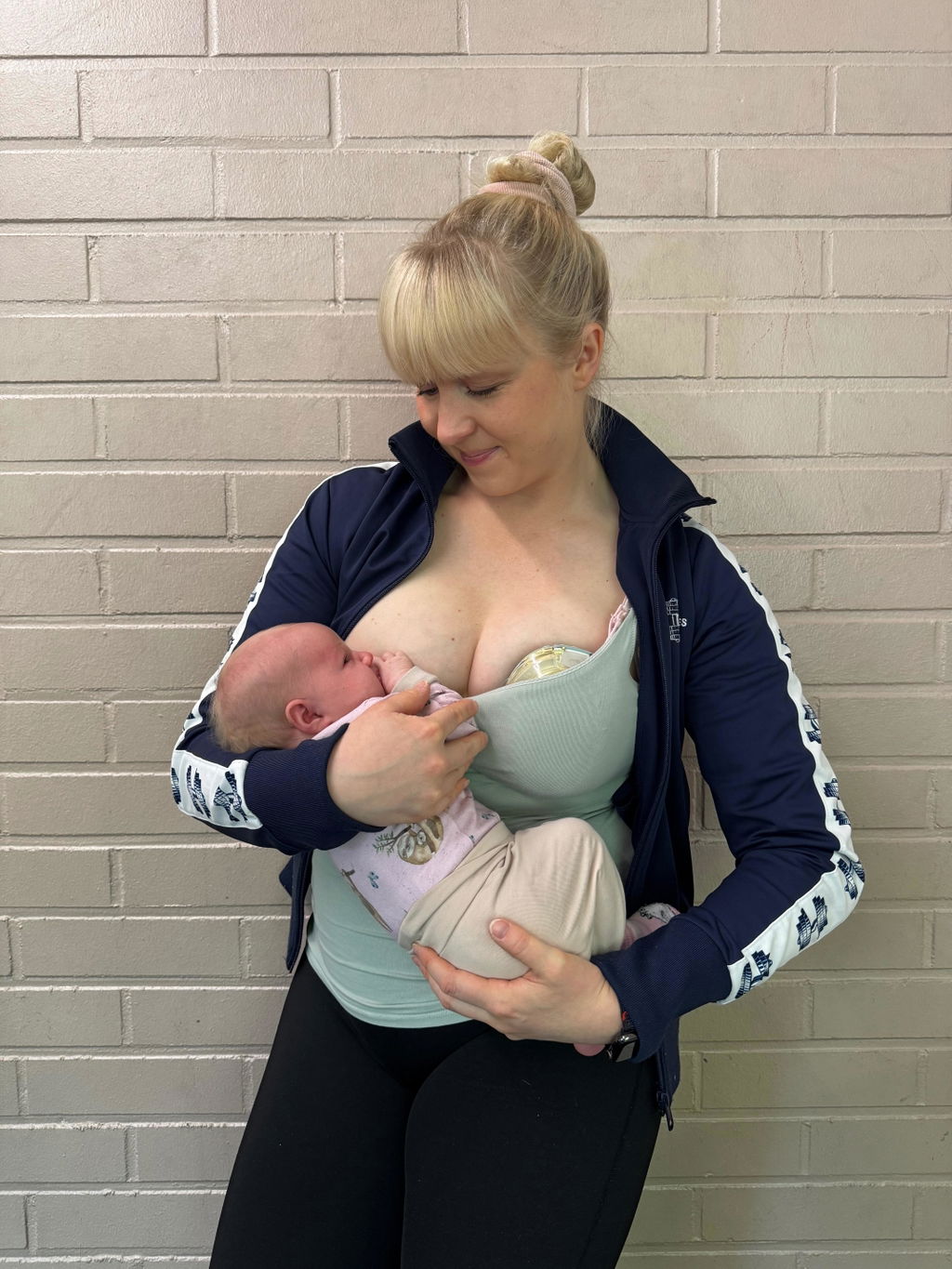
If you’re feeding at the breast directly most of the time (exclusive breastfeeding), then you may not need to pump very often. At this time right now, you won’t need to pump every day, and just ad-hoc as and when you need to. A manual breast pump is great for these moments because it gives you occasional relief and you can pump a “one-off” feed when you need to.
Not all mums need a full pumping setup, and this is a great middle-ground.
There will be plenty of times throughout your breastfeeding journey when your milk supply needs to re-adjust, and this can sometimes lead you to feel engorged. In the first few days postpartum, your milk supply comes in and it can take a couple of weeks to settle down. A manual breast pump is an effective and gentle way to take the edge off. You’re in control, so you set the speed and rhythm.
Even your baby’s feeding needs will change, and it’s got nothing to do with your milk supply. They could be off their food and skip a feed, leaving you with an excess of milk. Using a manual breast pump vs. an electric breast pump means you get instant relief without needing to set up a whole pumping system.
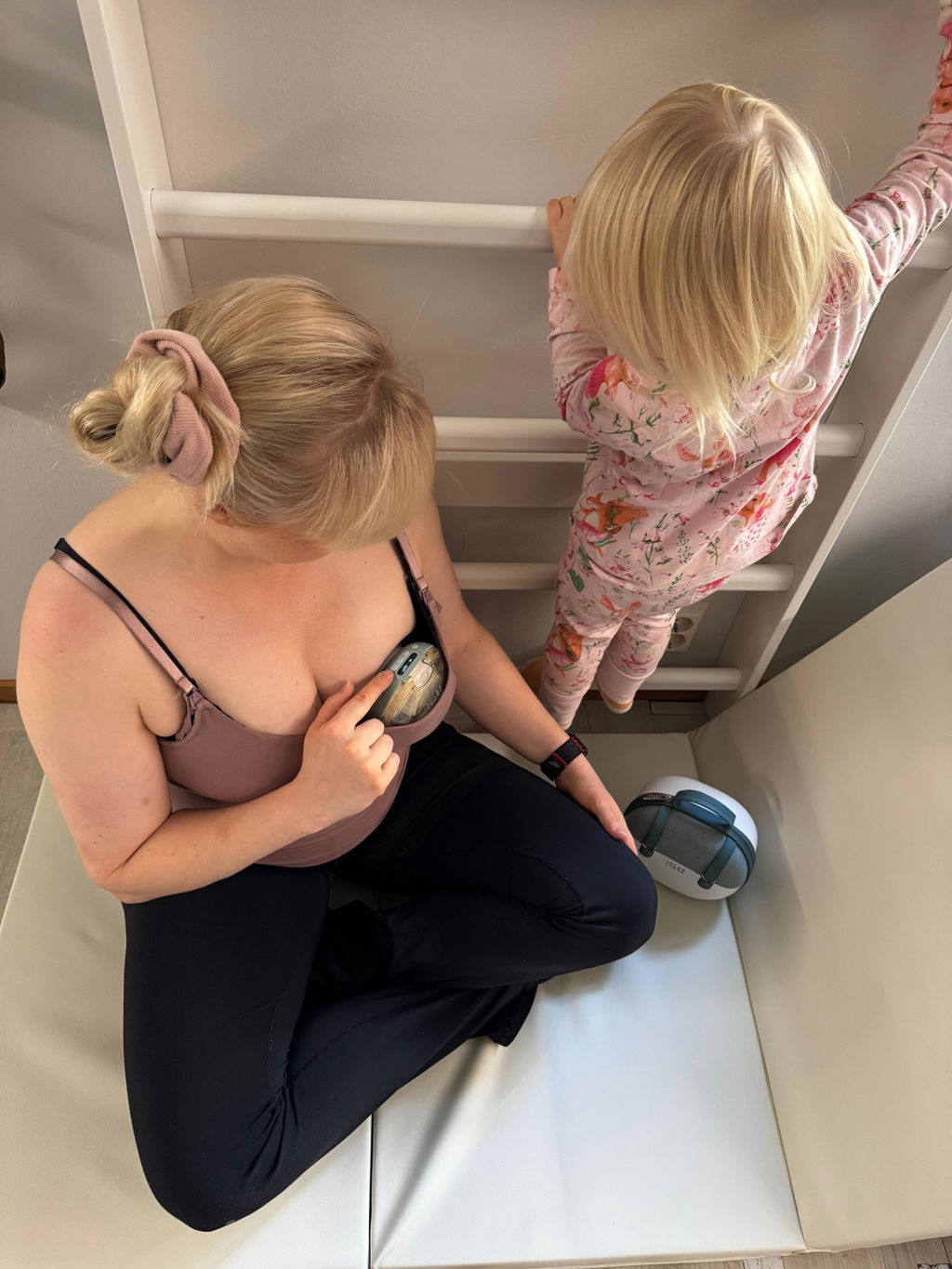
Babies have a lot of stuff. The last thing you need is an extra bag to hold with all your pumping gear inside to carry as well! The best manual breast pump will tuck away inside your changing bag so you can pump (if you want to), when you’re on the go. Whether that’s for long car journeys, staying away from home, day trips, or being away from your baby. A manual breast pump is a simple way to express without hunting for a charging cable.
A nursery-run morning, a skipped nighttime feed, a “stayed out longer than you planned” kinda moment. These are all times when a manual breast pump swoops in and gives you a short pumping session, without loads of parts to assemble and without needing to “plug-in”. It’s the calm amongst the chaos that lends a hand.
Mums need flexible pumping options that fit the moment seamlessly when routines change; and that’s why a manual breast pump is often used alongside other types of breast pumps.
Lots of first-time mums are new to pumping and often don’t know where to start. It’s also hard to know how often you’ll need to pump and what is going to work for you and your baby before you’re actually living it. A recommended manual breast pump is a low-cost option to get started, even when you don’t know how yet.
Compared to an electric breast pump, a manual breast pump is straightforward to use and gives mums that first taste as to what pumping actually involves. A good manual breast pump will help a mum to build her confidence, and to understand what works for her body without the pressure of investing in a more expensive breast pump.

Manual breast pumps take us back to basics, and the basics is what we need in some situations. Don’t be the pumping parent with a dead charger in a power cut or an electric pump that cuts out during a pumping session. A good manual breast pump acts as a handy backup, regardless of how often you need to use it.
A manual breast pump has its place, but it’s not the answer to every pumping solution. Being completely honest, if you need a breast pump to use multiple times a day because you’re exclusively pumping, it’s not the right pump for you right now.
When you weigh up an electric pump vs. manual breast pump, electric breast pumps are automated to do the hard work for you. Manual breast pumps are for specific moments that don’t require faster or longer pumping sessions, as explained above. Milk collection cups could be a different alternative if you simply want to catch any excess breast milk.
A manual pump may not suit if:
That’s why many mums move to an electric breast pump for more efficiency somewhere along their breastfeeding journey.
A good manual breast pump and an electric breast pump are designed to complement each other. They both have desirable features that make them a great choice for different breastfeeding and pumping scenarios.
A manual breast pump gives you flexibility.
An electric breast pump gives you efficiency.
Many mums start with a manual breast pump and upgrade when their needs change. A lot of the time, the manual breast pump is still used alongside the electric breast pump because then you have the winning combination of flexibility and efficiency.

In the early days after giving birth, your milk supply isn’t yet established. A manual breast pump is recommended because it’s a great starting point to build your confidence with pumping. You also won’t spend 20 minutes reading the manual beforehand, because they are so simple to get started with and assemble.
The best manual breast pump is also easy to clean, lightweight, and affordable. Good manual breast pumps also give mums the choice to pump into breast milk storage bags as well as bottles, for complete flexibility whenever and wherever you pump.
You don’t need to figure everything out before your baby arrives. You just need a simple solution to get started, and the rest is figured out when you start to slowly build your breastfeeding routine.
In addition to our breastfeeding product range for mums, Lola&Lykke’s Manual Breast Pump is designed with one word in mind; simplicity. The ergonomic design is comfortable to handle and pump with, so you can pump anywhere you need to with ease. Whether you need a manual pump for occasional use or you’re just starting out, you will find moments along your breastfeeding journey when it is exactly what you needed.
Some of our favourite features of the Lola&Lykke Manual Breast Pump are:
Start small with your pumping journey and pre-order your manual breast pump.
From start to finish, regardless of how long your breastfeeding and pumping journey lasts, it will evolve with you and your baby. Your needs will change and so will your routines, accessories, and feeding setup. A manual breast pump isn’t about doing less; it’s about starting in a way that feels manageable and knowing you’ve got that reassurance whenever you need it.

Not all mums need a manual breast pump but it’s useful for occasional pumping and as a backup.
If you need to pump frequently, you will most likely need to upgrade to an electric breast pump. For occasional pumping or a lightweight travel option, a manual breast pump is better suited to this.
No. If you feel any pain or discomfort, you may need to re-position your pump, check your breast shield size, or check for blocked milk ducts. Many mums like the control over the suction and rhythm when using a manual breast pump. If you’re in any doubt, consult your midwife or healthcare professional.
Using a manual breast pump is simpler than it looks. Place the breast shield centrally over your nipple so it forms a gentle seal, then squeeze the handle in a steady rhythm. Quick, light squeezes help trigger your let-down. Once your milk starts to flow, slow down to longer, deeper squeezes. Around 10–15 minutes per breast is usually enough, or you can stop when the flow slows down.
A few tips to make it easier:
Pumping shouldn't hurt. If it does, check your shield size and lower the suction.
Please Note
The information shared in this article is intended for general educational purposes only and should not replace medical advice, diagnosis, or treatment from a qualified healthcare professional. Every pregnancy, recovery, and feeding journey is different. If you have concerns about your health, your baby’s health, or any symptoms mentioned in our blogs, please speak with your doctor, midwife, or healthcare provider before making changes to your care routine.